
Transformation of Cultural Policies
Europe is a continent shaped by ongoing political change. What can we learn from institutional and individual artistic strategies for navigating transformations in cultural policy? We aim to examine both historical developments and countries that have already experienced significant challenges in the arts and culture sector, and ultimately to draw informed conclusions from these experiences.
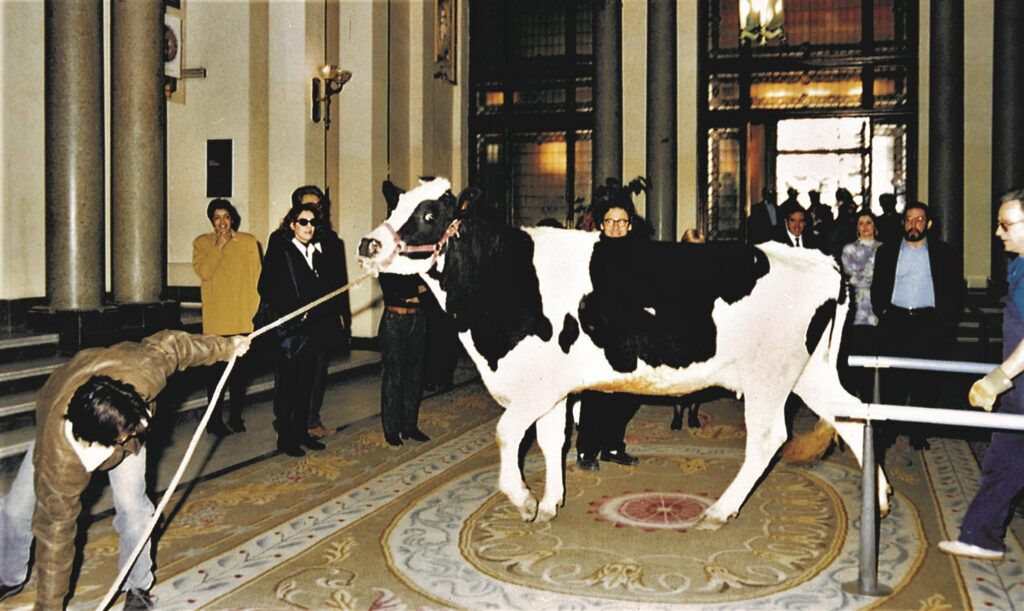
Spain
·
Collective resistance
Freedom in practice
The refounding of the Círculo de Bellas Artes after the dictatorship (1983–today)
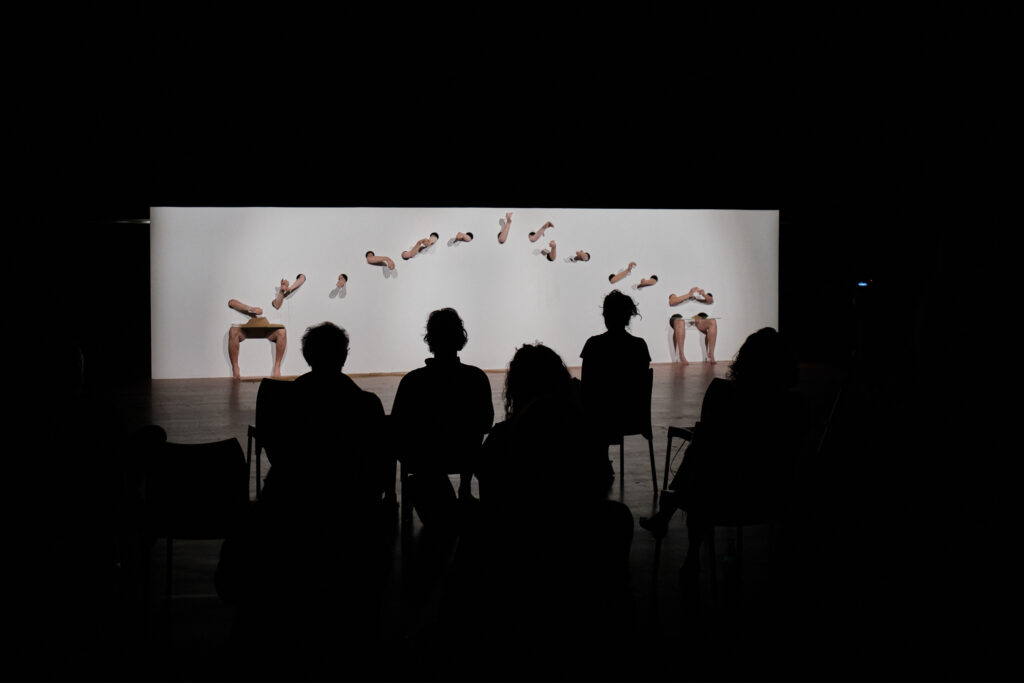
Croatia
·
Counter-programming and alternative venues
Best Practices of Autonomous Cultural Centers
Local panel at the Academy of Fine Arts Zagreb
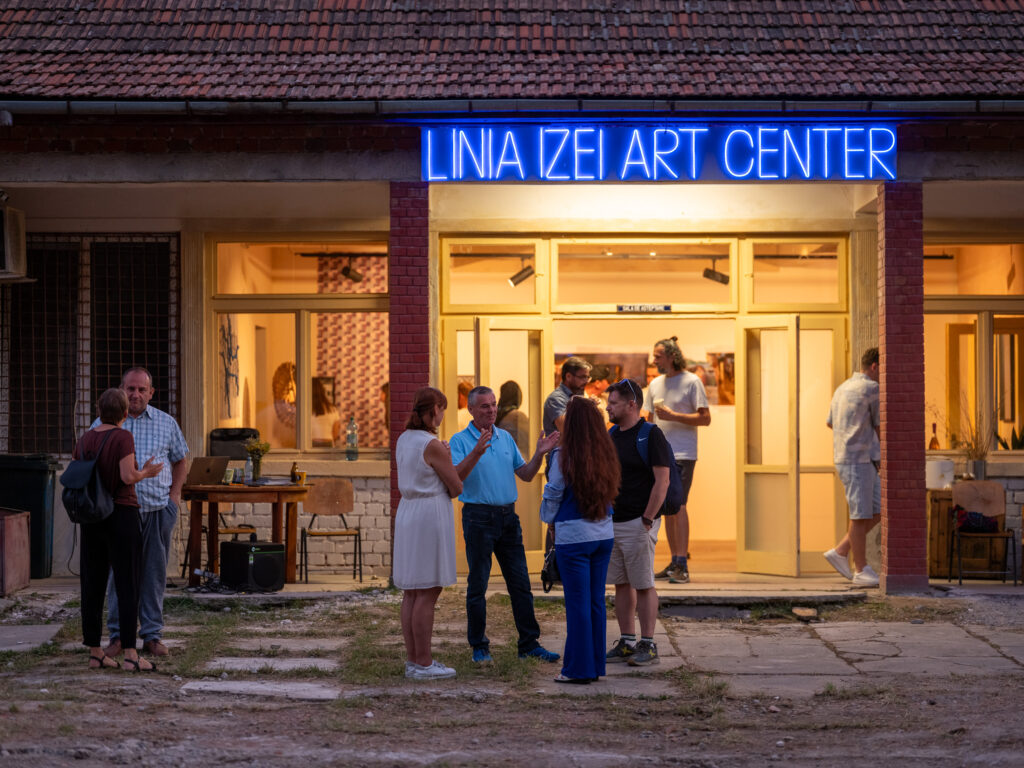
Romania
·
Counter-programming and alternative venues
Linia Izei: From Railway Infrastructure to Cultural Infrastructure
A former railway halt in the North of Romania becomes a permanent art centre, restored and run by ARAC
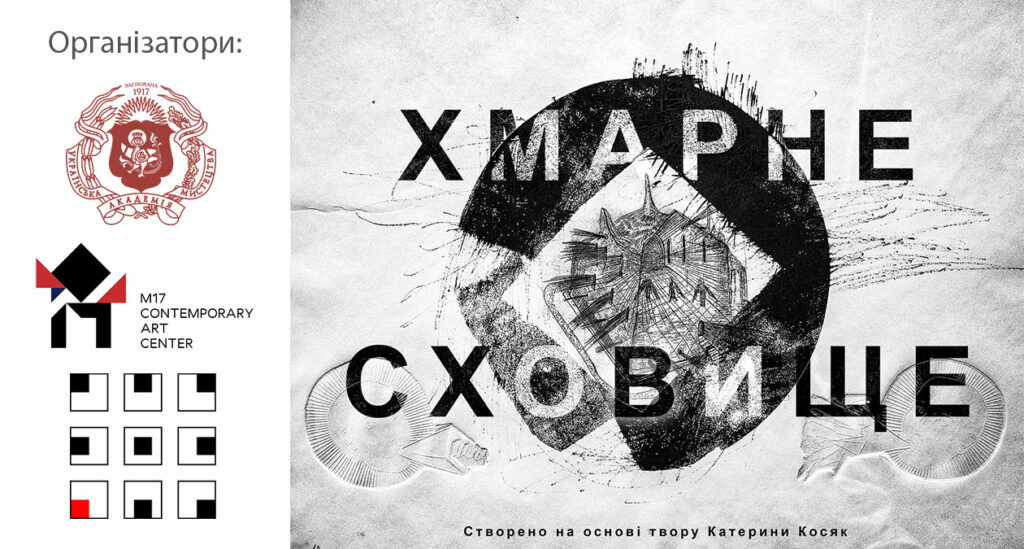
Ukraine
·
Documentation and testimony
Cloud Storage
Art, collective memory and cultural resilience in wartime Ukraine

Spain
·
Artistic–academic dialogue
Casa Europa: Choosing Europe as a Cultural Strategy
How a cultural institution can make Europe a lived experience
Malta, Romania
·
Counter-programming and alternative venues
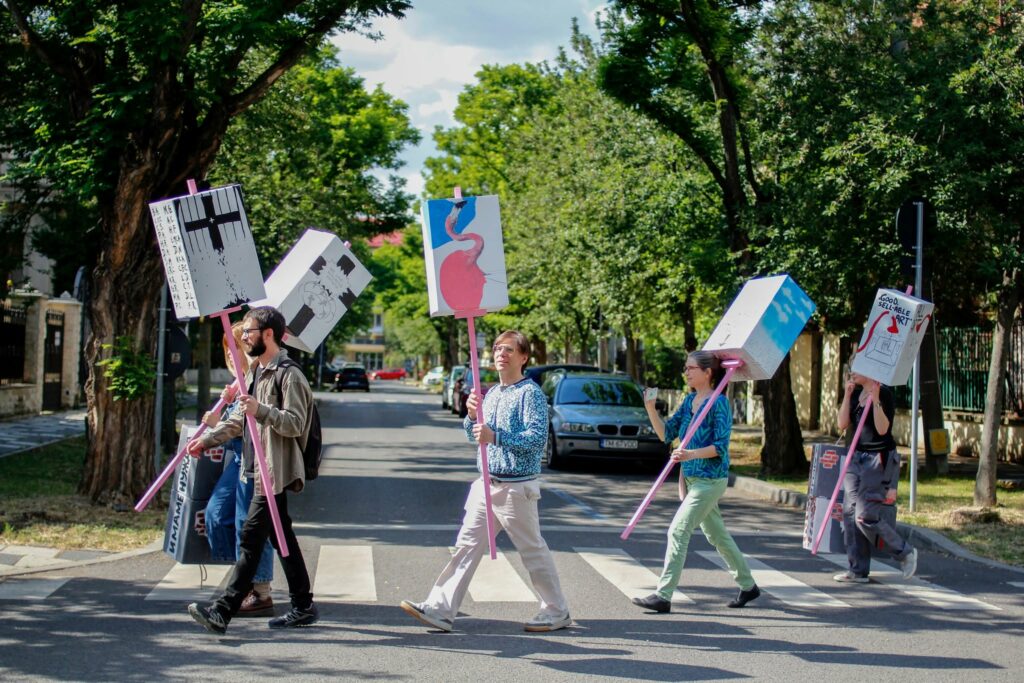
Making Space Without Infrastructure
Independent artists in Timișoara taking art beyond conventional venues. Teodora Talhoș and Antonia Itineanț
Canada, Estonia, France, Germany, Lithuania, Ukraine
·
Art as a Form of Resistance
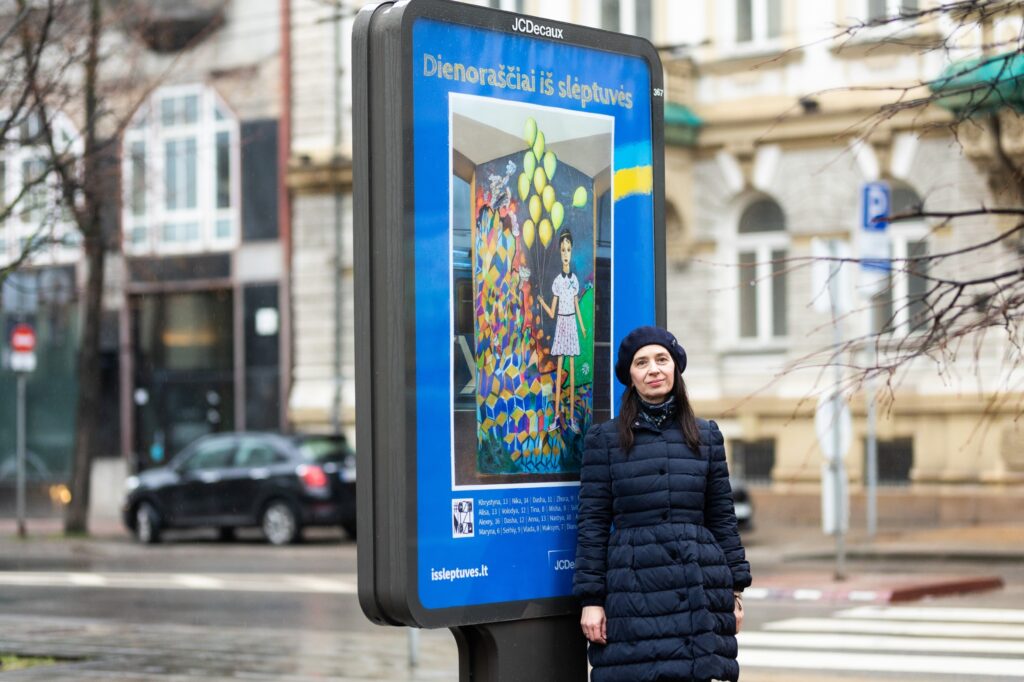
International cultural strategies during the war in Ukraine: the curatorial practice of Iryna Hrytska (2022–2026)
Azerbaijan, Germany, Malta
·
Documentation and testimony
Country of Residence
An Azerbaijani curator on building across Europe’s eligibility map
Italy, Malta
·
Legal support
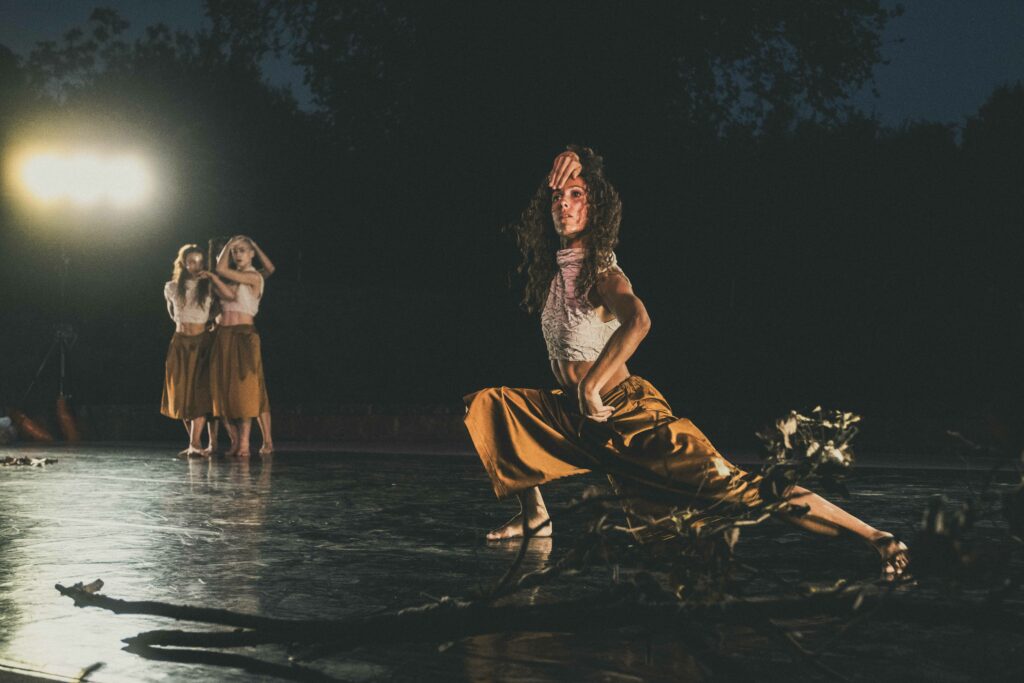
Collective Answers to Funding Systems that Reward Scale
Networks, peer exchange and administrative redress in independent dance in Southern Italy

Europe, Hungary
·
Advocacy, lobbying and consultations