
Arts of Freedom
Art as a tool for institutional transformation within the prison system
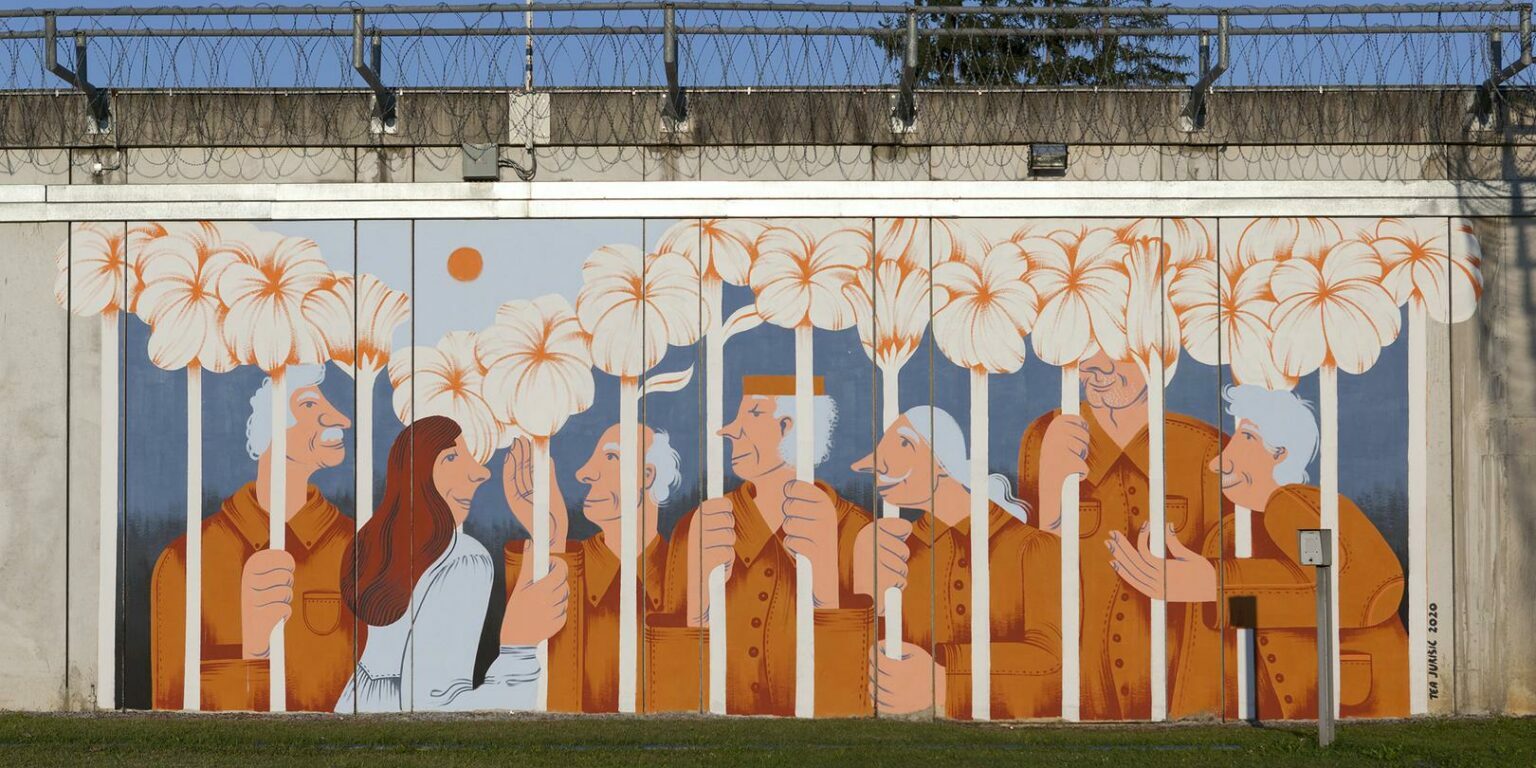
The Arts of Freedom project (Author: Melinda Šefčić) built on earlier experience of developing and implementing artistic interventions within the Croatian prison system, including the Horizon of Freedom and Freedom of Creation initiatives (Created by Melinda Šefčić and led by HDLU). While these projects were developed as separate initiatives, together they represent a continuous development of an approach to art as a tool for creating space for creativity, participation, dignity and cultural rights within highly regulated institutional environments.
The Horizon of Freedom project introduced artistic interventions into correctional institutions, using contemporary art to transform prison environments and explore the potential of artistic practice to contribute to the well-being and social rehabilitation of people deprived of their liberty. The subsequent Freedom of Creation initiative expanded this approach through 28 artistic interventions and murals implemented across six penal institutions in Croatia.
Building on this practical experience, the international Erasmus+ project Arts of Freedom shifted the focus from individual artistic actions toward the systematization, research and transfer of knowledge. Experiences gathered through artistic work in restricted environments were analyzed and developed into methodological and educational resources for artists, correctional staff, and other professionals working within the prison system.
The strength of this approach lies in connecting artistic practice with knowledge development and institutional learning. Rather than treating artistic interventions as isolated cultural events, the projects demonstrate how practical experience can be documented, reflected upon, and transformed into transferable methodologies and educational materials.
The resulting approach recognizes art not only as a means of transforming physical environments, but also as a way of creating opportunities for expression, participation, and creative agency in contexts defined by restrictions on freedom. It therefore connects the freedom to create with broader questions of cultural rights and the role of culture within institutional settings.
As a good practice, the model is particularly relevant because it bridges the gap between hands-on artistic intervention and longer-term methodological development. By transferring knowledge gained through practice into resources that can be used by artists, institutional staff and policymakers, it creates the conditions for artistic practice to become part of broader discussions about institutional culture and the role of culture in the prison system.
Resources:
Country: Croatia
Strategies: Safe spaces for creation, Transnational cooperation