Art needs space
Croatian artists for the creation, upkeep and preservation of cultural and artistic spaces
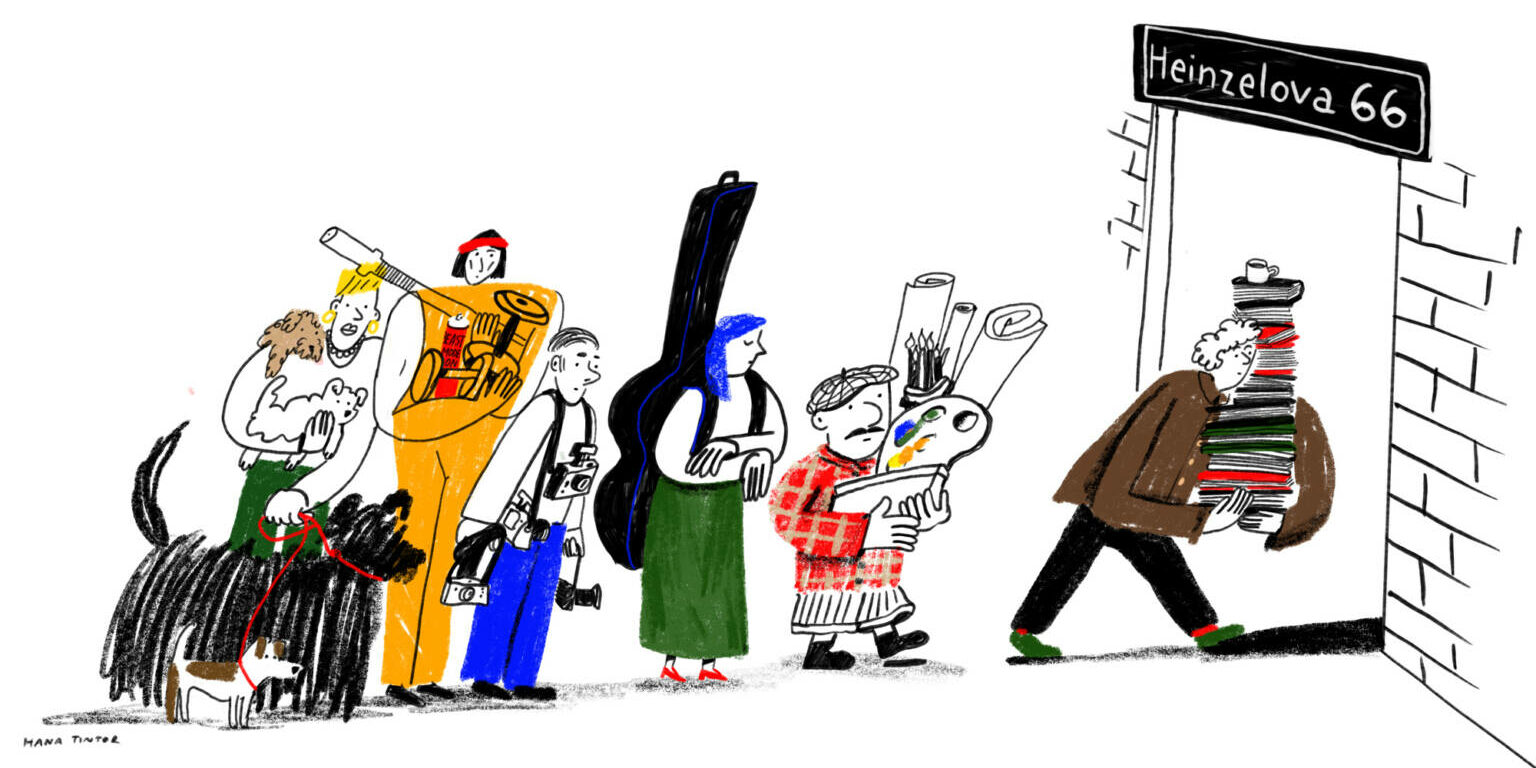
There is a clear need across Croatia for more cultural and artistic infrastructure - places where artists can create and exhibit their work in a comfortable space that is stable and where they can have a say in the programming. Far from remaining idle when faced with a lack of spaces, there are countless examples of different ways in which organizations and people have responded resiliently and begun creating such spaces.
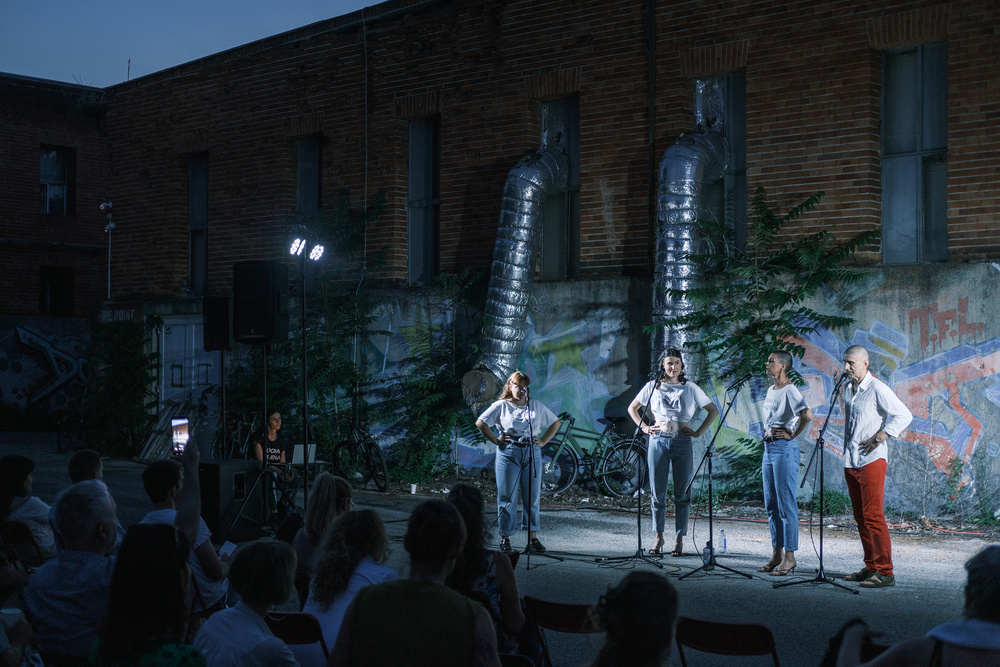
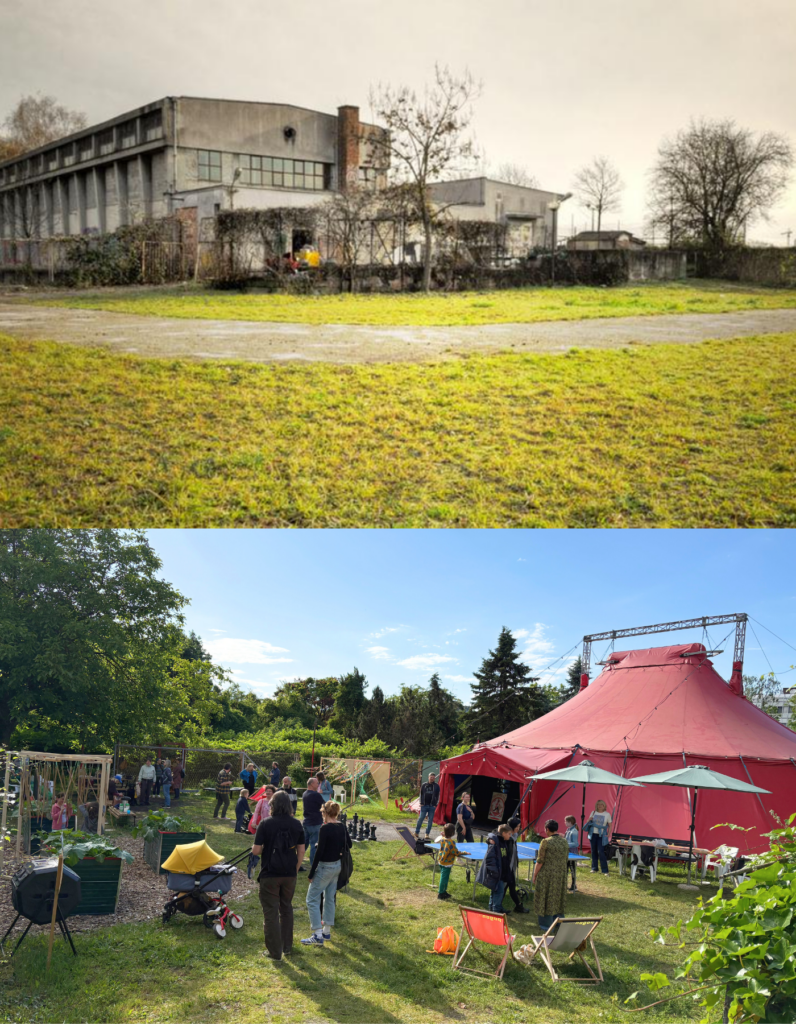
These responses take many forms, ranging from grassroots mobilization to institutional innovation and heritage regeneration. The We Need Workspaces initiative, launched in 2026 by artists themselves, brought together over 160 artists to reframe the chronic shortage of studios and working spaces as a matter of public interest, connecting artists' labour rights to urban planning and cultural policy rather than treating it as a private hardship to be solved individually.
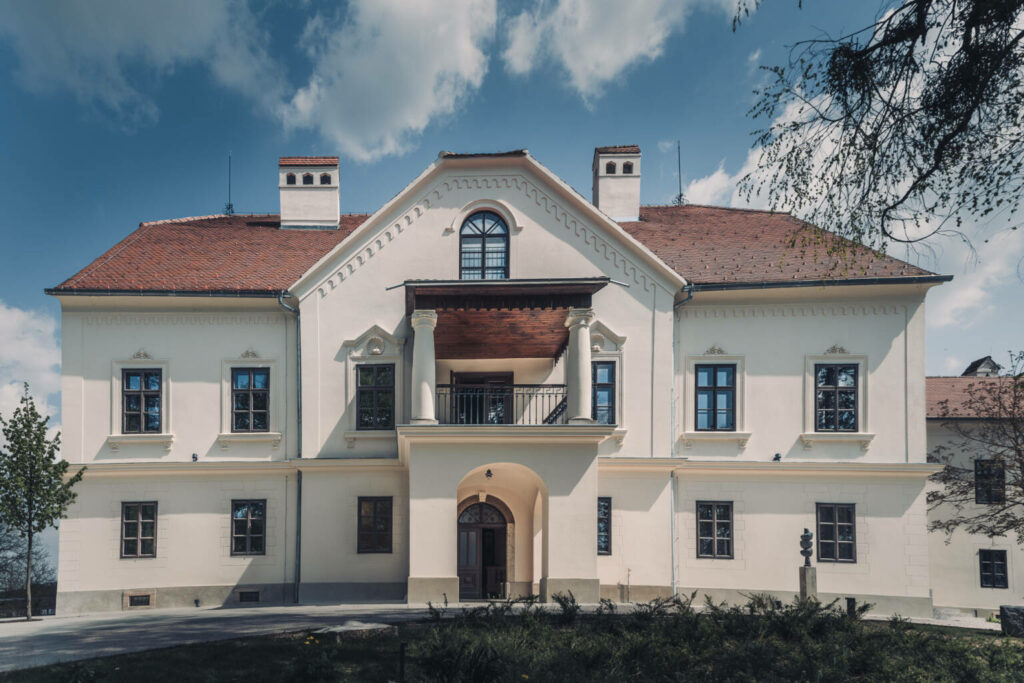
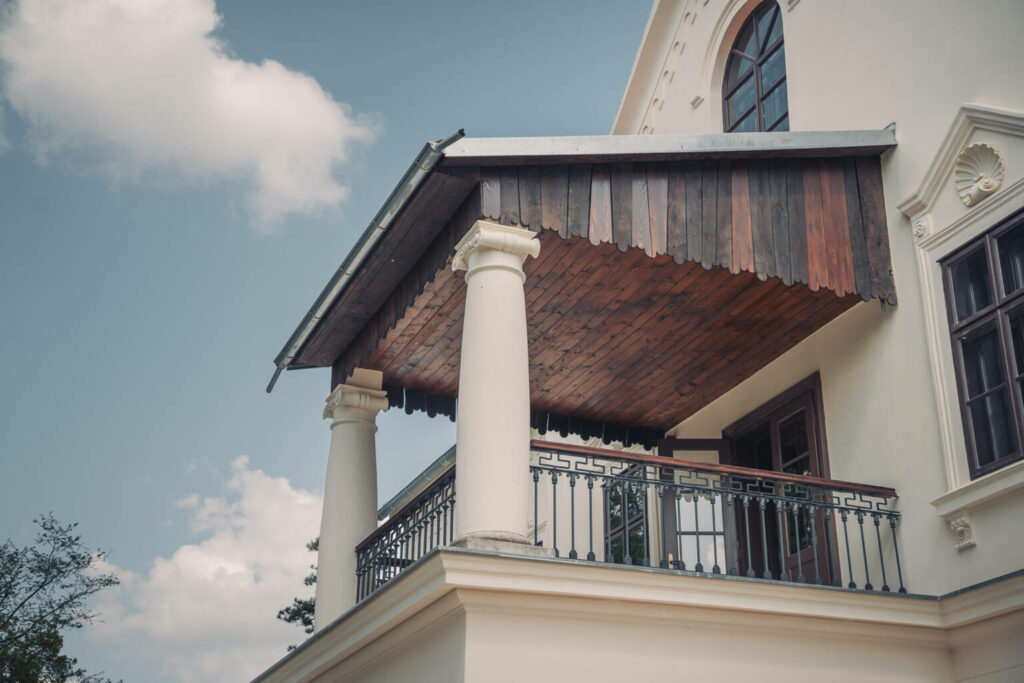
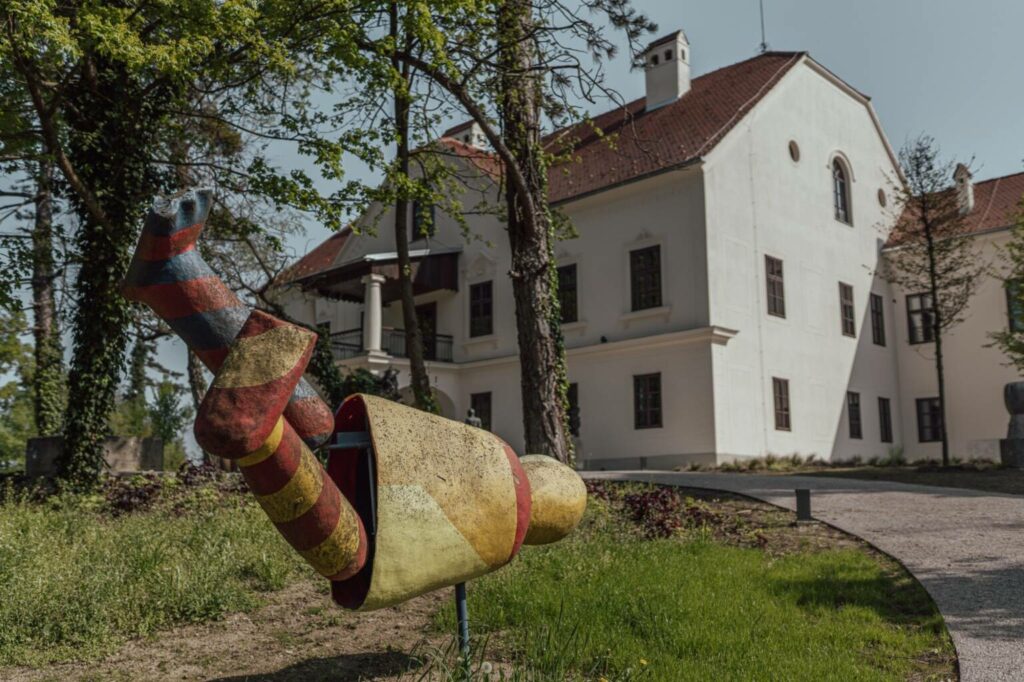
When HDLU's own headquarters, the Meštrović Pavilion, was forced to close for renovation across 2025 and 2026, the organization responded not by pausing its programme but by launching Meštrović Pavilion on Tour, distributing exhibitions across a network of partner venues throughout Zagreb and maintaining artists' fees and production budgets despite the disruption — turning the loss of a physical home into an occasion for building new institutional partnerships. A longer-term, more structural kind of resilience is visible at the Oršić Artists' Castle in Jakovlje, where decades of physical deterioration and earthquake damage prompted a sustained renovation and reactivation process (by HDLU and ULUPUH) aimed at preserving not just a historic building but its function as a working space for artists and its International Sculpture Park — treating heritage as living infrastructure rather than an object to be merely conserved.
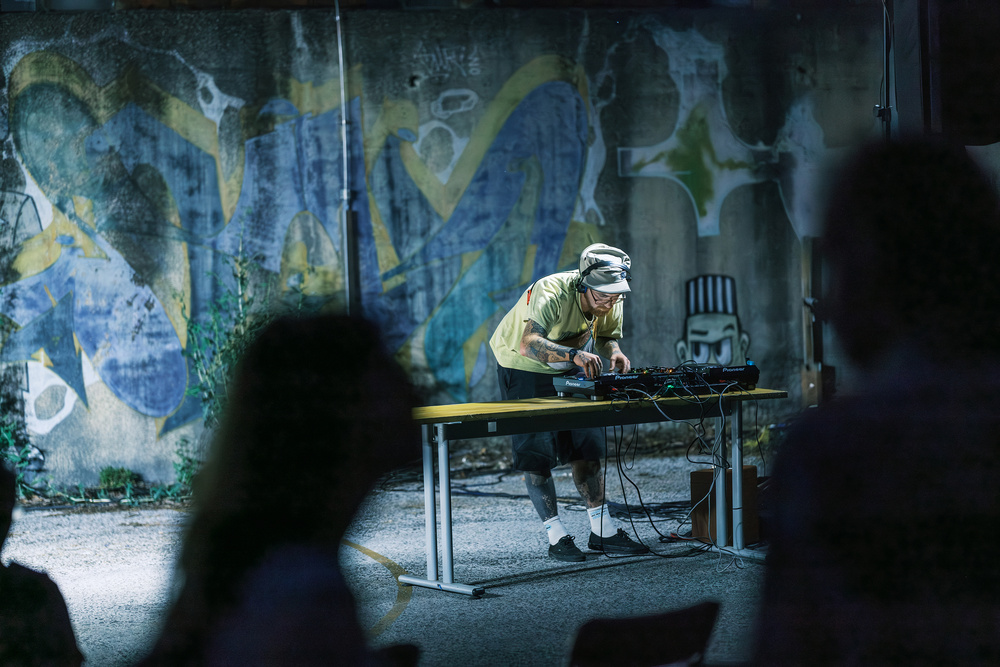
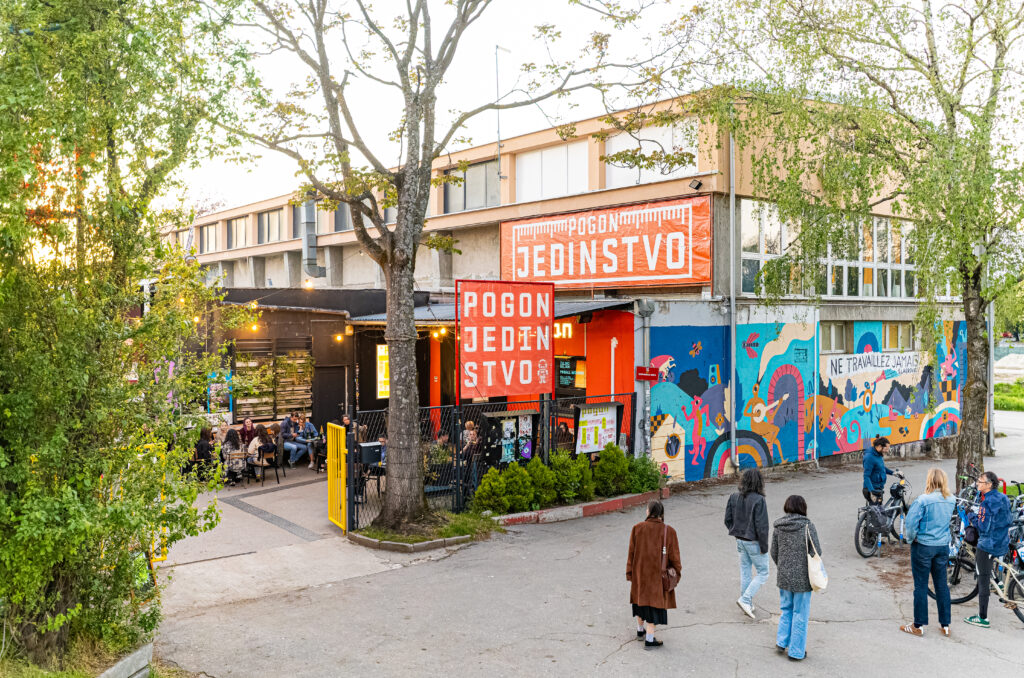
There are also initiatives that point to new models of shared governance and collective infrastructure-building. Pogon – Zagreb Centre for Independent Culture and Youth, run jointly by the City of Zagreb and the Alliance of Associations Operation City since 2009, offers a public-civil partnership model in which civil society organizations share real responsibility for programming and managing a cultural space, rather than operating within a system where a public founder alone dictates use.
In Rijeka, the Alliance of Associations Molekula brings together independent cultural organisations, which independently develop and produce their own programmes. Rather than acting as a programme producer itself, Molekula focuses on coordinating shared cultural spaces and advocating for better working conditions for the independent cultural scene. Through its advocacy activities, it works to strengthen the position of the sector at the local level, while also contributing to national-level advocacy through its membership in Clubture and DKC-HR. Rather than acting as a programme producer itself, Molekula focuses on coordinating shared cultural spaces and advocating for better working conditions for the independent cultural scene. Through its advocacy activities, it works to strengthen the position of the sector at the local level, while also contributing to national-level advocacy through its membership in Clubture and DKC-HR.
Across all five examples, the response to a lack of space is never purely logistical: each initiative reframes access to space as a question of cultural policy, public interest and collective organizing, and in doing so builds infrastructure that is more resilient, more shared, and more accountable to the artistic communities that depend on it.
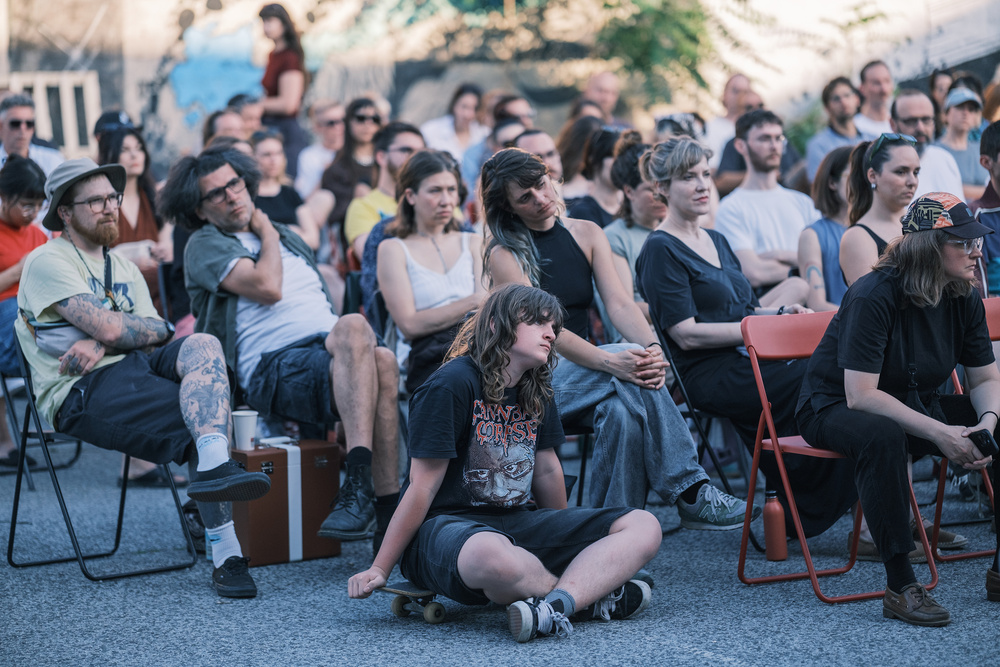
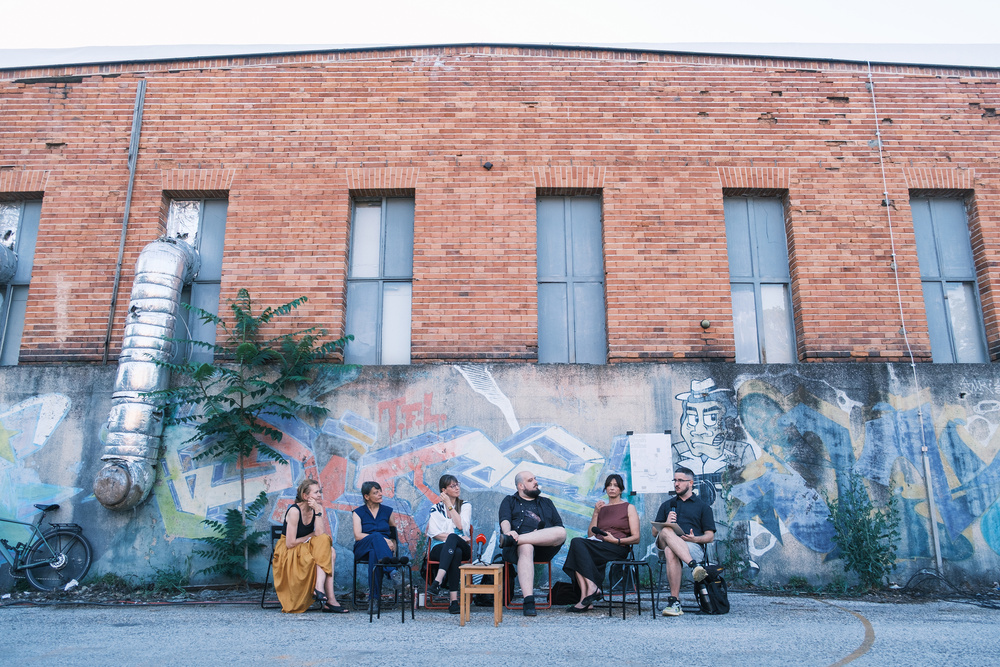
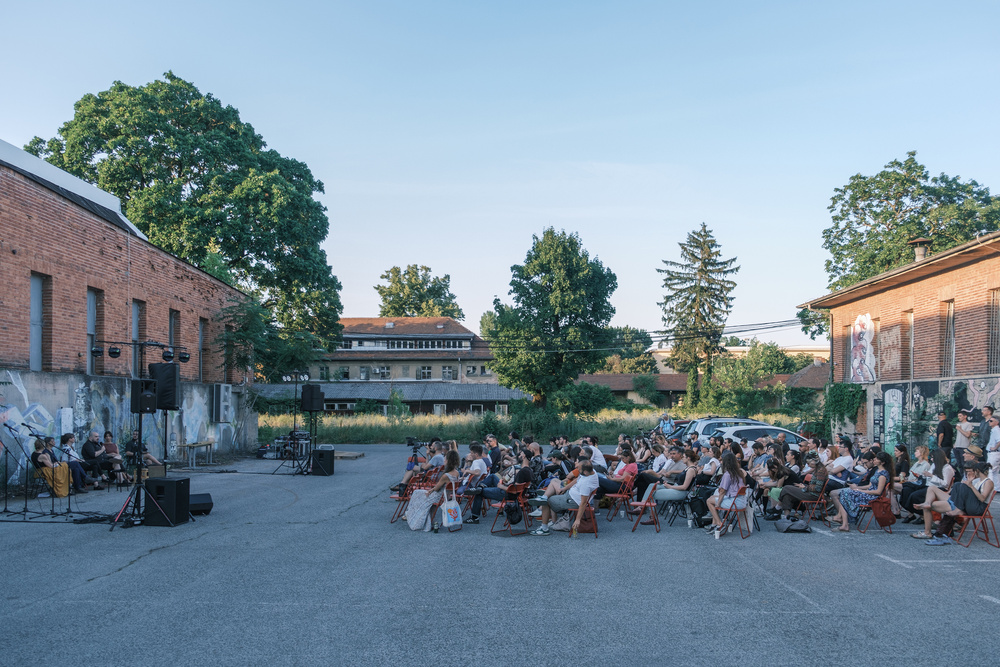
First public meeting of the initiative: "We need spaces"
Oršić Artists' Castle in Jakovlje
Pogon - Zagreb Centre for Independent Culture and Youth
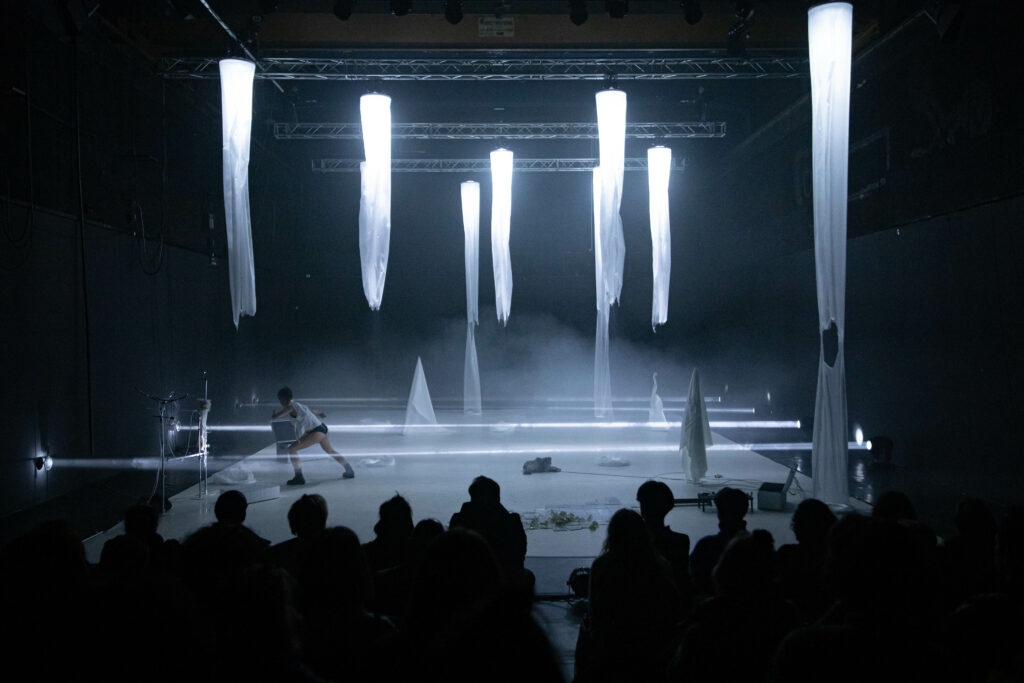
Meštrović Pavilion on Tour