Reclaiming artistic freedom in exile
Zulema Gutiérrez's ICORN residency
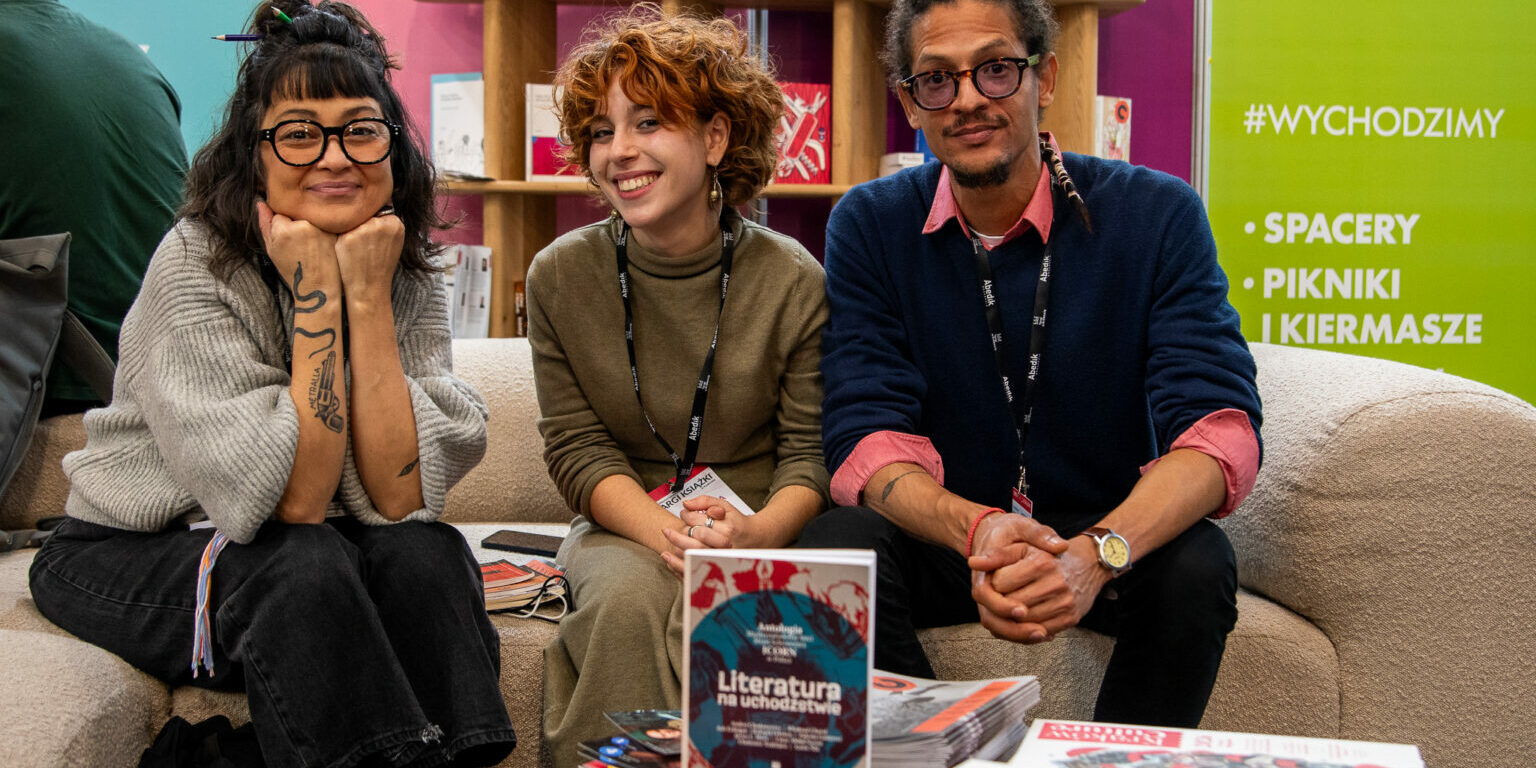
Zulema Gutiérrez (born 1982 in Holguín, Cuba) is a poet, prose writer, photographer, illustrator and activist whose work explores authoritarian oppression, freedom of thought and expression, and women's rights. Following the violent suppression of mass protests in Cuba in July 2021, she broke with state cultural institutions and has since been barred from publishing through official Cuban channels. Her 2024 poetry collection Técnicas de control, published by the independent underground press Casa Vacía, examines surveillance and social control, demonstrating how independent publishing can preserve critical voices when official cultural infrastructure closes its doors to them.
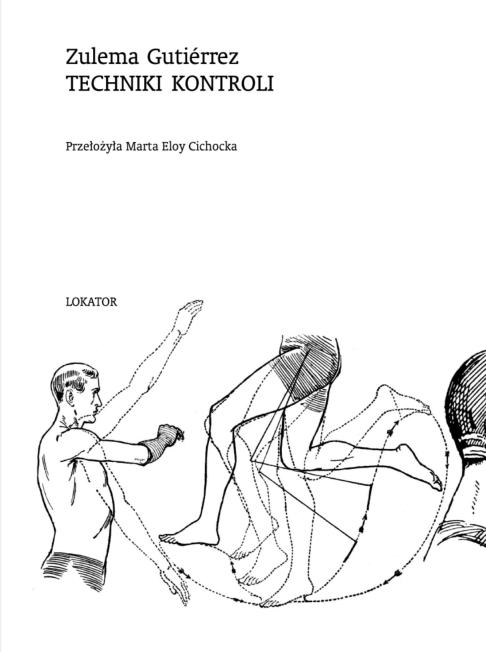
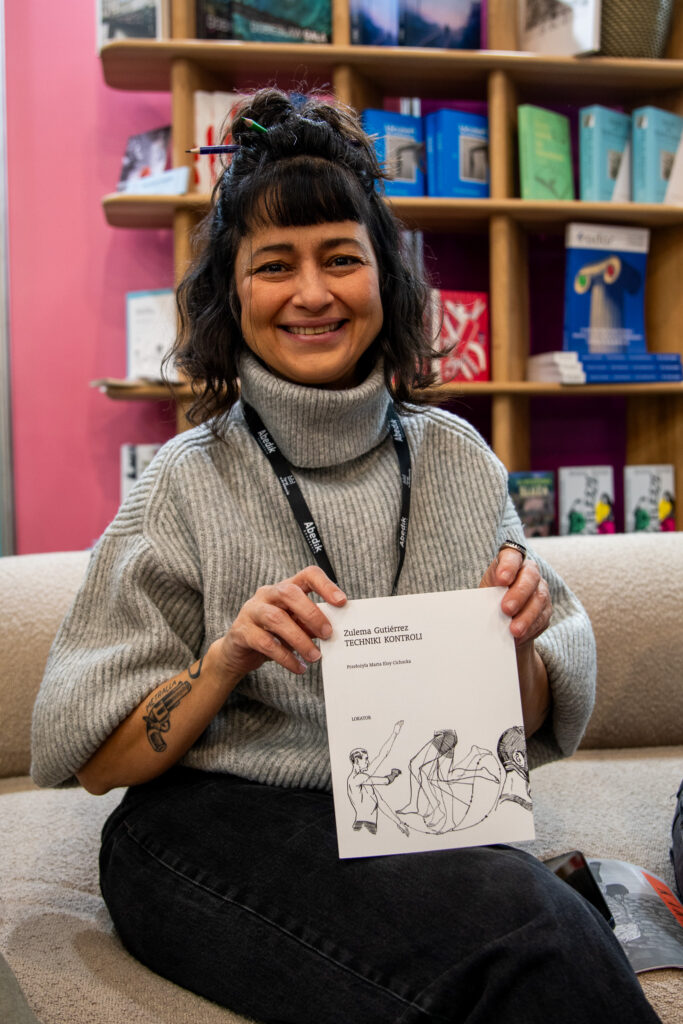
Gutiérrez found refuge in Poland through ICORN, the International Cities of Refuge Network — first in Gdańsk (2025–2026), then from July 2026 in Kraków, hosted by the Villa Decius Institute for Culture. There, her residency produced a concrete institutional outcome: the Polish translation of her book, Techniki kontroli, published by LOKATOR MEDIA in 2026 and presented at the Miłosz Festival, bringing her work into public literary debate on artistic freedom and authoritarianism.
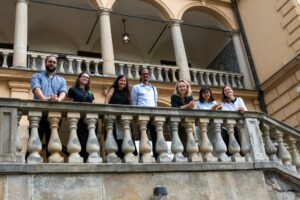
Zulema Gutiérrez among other resident artists at Villa Decius
In this way, Gutiérrez's individual story stands as an example of how cultural institutions can help restore visibility and agency to artists whose voices have been suppressed. International solidarity and cultural infrastructure can help ensure that censorship does not become permanent silence.
Furthermore, her trajectory illustrates a broader transformation of cultural policy: away from treating persecuted artists merely as recipients of humanitarian protection, and toward recognising them as active cultural producers whose work merits continued development, publication and visibility.
Protecting artistic freedom does not only mean to offer physical safety, but also continued institutional support in order to rebuild an artist's full professional standing — providing accommodation and income alongside translation, publishing partnerships, festival platforms and access to a local cultural community. In Gutiérrez's case, this meant the difference between surviving in exile and continuing to produce and circulate work that reaches new audiences in a new language. The policy shift this reflects is significant: protection from censorship is reconceived not as a one-off act of asylum, but as sustained institutional investment in an artist's ongoing practice, treating cultural production itself, not just the artist's safety, as the thing worth protecting.
Interview with Zulema Gutiérrez: